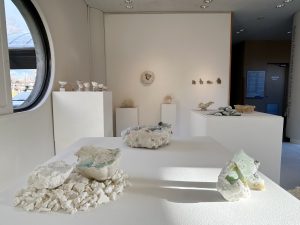
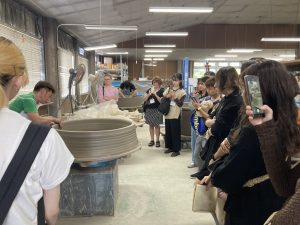
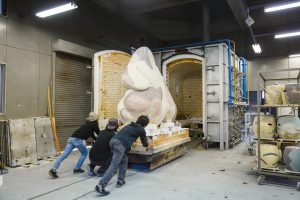
1.What is the Artist in Residence Program?
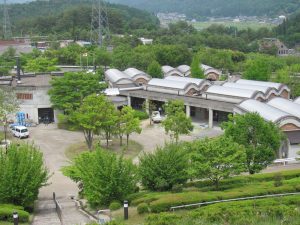 Since its inception in 1992, the Institute of Ceramic Studies of the Shigaraki Ceramic Cultural Park (SCCP) has provided an opportunity for ceramic artists from around the world – more than 1,500 artists from 55 countries and regions – to work freely in the environment of Shigaraki.
Since there is no curriculum as such, artists are free to pursue their work in our creative space according to their own schedule.
At any given time, there are about ten artists in residence working at the Institute. By exposing artists from different countries with different styles to each other, we hope to create a stimulating creative environment for our artists in residence.
There are two types of artists who work here. The first are Studio Artists, those who stay and work here after being accepted through our application process. The second are Guest Artists, who are invited by the SCCP to work here. A limited number of Guest Artist are selected through open call and recommendation system. In any case we have the selection committee for the guest artist program.
The goal of the Institute of Ceramic Studies is to enable artists to improve the level of their work by fully utilizing our facilities while interacting with a variety of other artists.
2.How to Be a Successful Artist in Residence
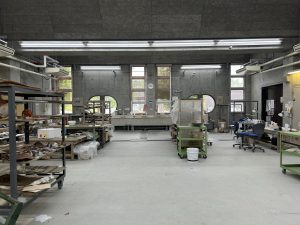 First, you should have a clear idea of what you want to accomplish at the Shigaraki Ceramic Cultural Park. We recommend that you apply to our program after determining what you want to do here and how long you expect your work to take. If you have any questions about how you can fit into our program, please do not hesitate to consult with us before you apply.
Many artists want to create new kinds of work in a new environment, using facilities they have never used before. Artists from a variety of countries with a variety of styles come to the Institute of Ceramic Studies. We have a variety of kilns here. Clay is a material that lends itself to a wide variety of expressive possibilities. Here you can try materials and techniques that you don’t usually use in your work.
One unique characteristic of our program is that you can choose the length of time you want to stay here. Artists can choose to stay and work at the Institute for a period of from two months to one year. The artists who have the most satisfying experiences here are those who are able to plan their time to concentrate fully on their work.
3.Exchanges with the local pottery community of Shigaraki
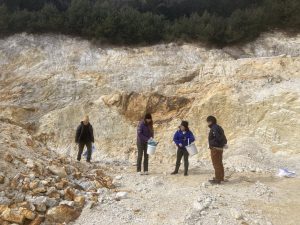
Feldspar mine in Shigaraki
One of the merits of working in a pottery producing area is that we have easy access to raw materials. Artists in residence can also easily visit sites such as feldspar mines in the mountains around Shigaraki, providing another source of inspiration for their work.
4.International Communication through ceramic art
Since 1992, the Institute of Ceramic Studies has welcomed a large number of ceramic artists from overseas. Our attempts to promote international exchange through ceramic art have flourished over the years. Depending on the particular time an artist stays here, he or she will be able to work alongside ceramic artists from a variety of countries.
5.Various programs on Ceramic Art
The Shigaraki Ceramic Cultural Park sponsors a variety of activities based around the theme of ceramic art. Studio Artists are welcomed to taking part in these activities such as exhibitions at the Museum of Contemporary Ceramic Art, display of work produced by local industry at the Exhibition Hall of Industrial Ceramics, Pottery classes for the general public, events such as the Ceramic Art Market, lectures and open studio workshops by ceramic artists, and firing of the various wood kilns.